
The Latest AI Face Recognition Machines: Accurate Even with Masks & Glasses
How the newest AI-powered face recognition machines work — recognizing faces even behind masks, glasses, or in low light, complete with anti-spoofing.
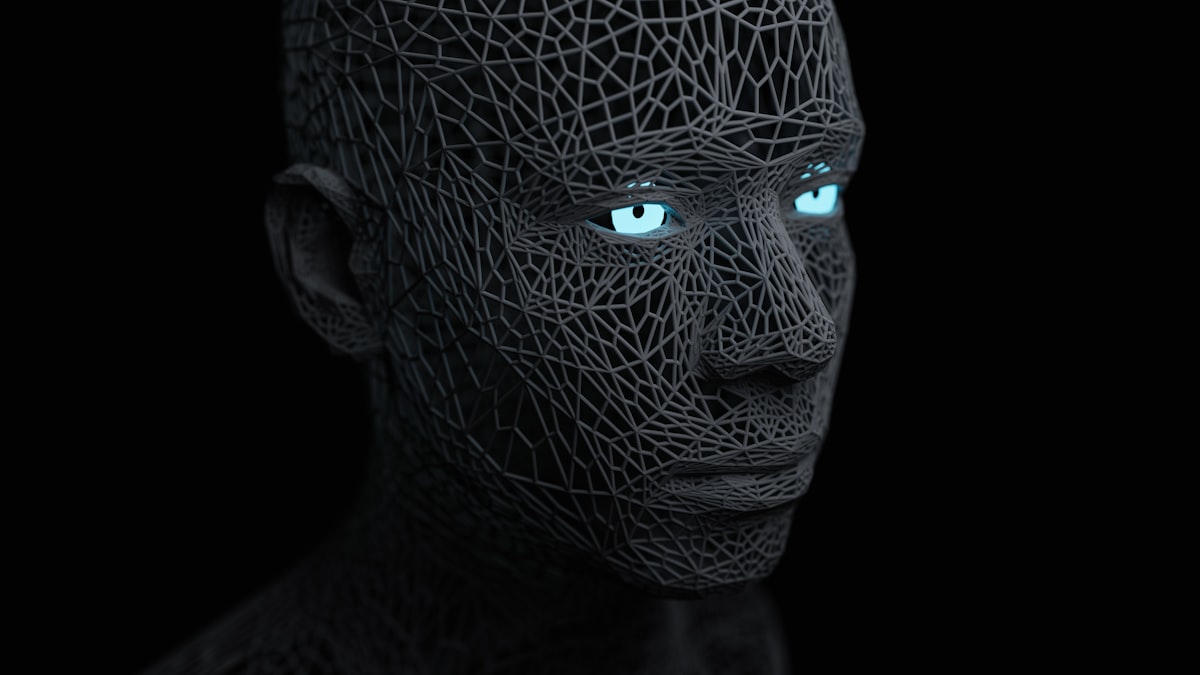
A few years ago, face recognition machines were easy to “fool”: slightly dim lighting, a face mask, or a change of glasses was enough to make them fail. The latest generation is a different story. Powered by artificial intelligence (AI) trained on millions of faces, today’s machines recognize you in a fraction of a second — even when part of your face is covered. This article explains how they work and what makes them accurate.
From pixel matching to AI understanding
Old machines compared images crudely, pixel by pixel. Modern machines use a neural network that turns a face into a faceprint — a mathematical representation of hundreds of unique points: the distance between the eyes, cheekbone shape, jawline, and nose contour.
Because what’s matched is a geometric pattern, not a whole photo, the system still recognizes you even when expression, hairstyle, or lighting changes. This is the biggest leap over older technology.
Accurate with masks, glasses, and hats
The most in-demand capability since the pandemic: recognizing a partially covered face. Modern AI is specifically trained to focus on the areas that stay visible — chiefly the eyes and forehead — so that:
- With a mask: the system relies on the upper face and still matches the identity.
- With glasses: clear lenses or a new frame, the faceprint is still recognized.
- With a hat/headscarf: as long as the eyes and part of the face are visible, the match succeeds.
The result: people no longer need to remove masks or glasses at the door — more hygienic and faster.
Reliable in difficult light (WDR)
Entrances often have extreme lighting: backlight from windows, dim lamps at night, or harsh sun glare. The newest machines use WDR (Wide Dynamic Range) and dual cameras (RGB + infrared) to keep the face clearly readable — even in total darkness via the infrared sensor.
Anti-spoofing (liveness detection)
A fair question: can it be fooled by a photo or video on a phone? Quality machines include liveness detection. With 3D/infrared cameras, the system distinguishes a living, three-dimensional face from a flat image on a screen or a printout. Photos, videos, and masks are rejected — this security is what separates serious devices from cheap gadgets.
Fast, and for many people at once
Modern machines match a face in under a second and store tens of thousands of profiles. Some units even recognize several faces in a single frame — ideal for gym, office, or factory doors at peak hours. Access records can be pushed instantly as a notification (e.g. Telegram) to the owner in real time.
Where this technology is used
- Gyms & fitness centers: door access tied to membership validity.
- Employee attendance: presence logged automatically with no fingerprint to touch.
- Buildings & apartments: door and elevator security.
- Retail & factories: restricted-area control.
Summary
🤖 AI faceprint, not pixel-matching · 😷 Still recognizes masks & glasses · 🌗 WDR + infrared for tough light · 🛡️ Liveness detection vs photos/video · ⚡ < 1 second, tens of thousands of profiles
AI-based face recognition is now mature enough for everyday use: fast, hygienic, and hard to fool.
Elang Membership uses face access tied directly to membership validity — expired members are automatically denied at the door. See how it works or request a free demo. Want the operational side? Also read face attendance for gyms.