
The Fall of IT Giants: WordStar, Lotus, dBASE, FoxPro & Novell
They once ruled the world: WordStar, Lotus 1-2-3, Ashton-Tate dBASE, FoxPro, Novell NetWare, and WordPerfect. Why did these giants ultimately collapse?
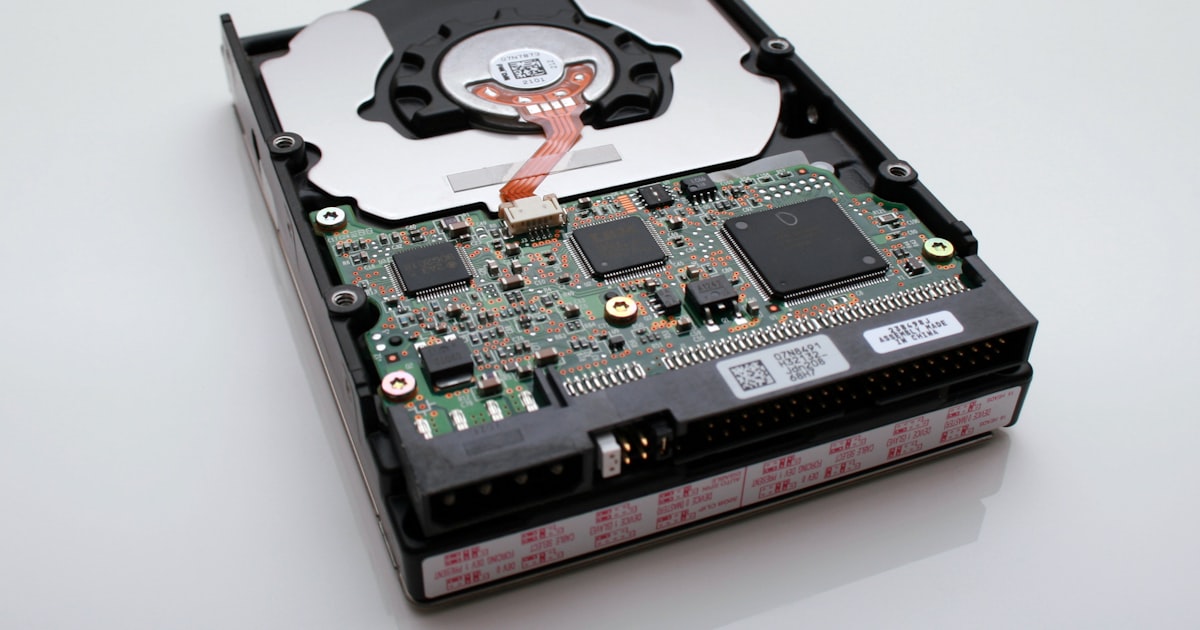
In the 1980s and early 1990s, certain software names were so dominant they seemed impossible to beat. Every office used them, every computer course taught them. Then, within a few years, they vanished — replaced by the names we know today. This is the story of the giants that fell, and the costly lessons they left behind.
WordStar — the word-processing king that forgot to change
From the late 1970s into the early 1980s, WordStar was the world’s number-one word processor. Professional writers swore by its legendary keyboard command sequences (Ctrl-K, Ctrl-Q).
Why it fell: when the world moved to a rewritten version of WordStar, the result was poor and late. Competitors, meanwhile, moved fast. WordStar failed to adapt to the era of the graphical user interface (GUI) and was abandoned by its users. Lesson: today’s dominance guarantees nothing if you stop innovating.
WordPerfect — too late to the Windows era
WordPerfect inherited WordStar’s throne and dominated the late 1980s, especially in law firms. It was so strong its tech support became legendary.
Why it fell: when Microsoft Windows exploded, WordPerfect was far too slow to ship a stable Windows version. Microsoft Word — designed for Windows from the start and sold in the Microsoft Office suite — overtook it decisively. Lesson: misreading a platform shift can be fatal.
Lotus 1-2-3 — the spreadsheet beaten by bundling
Lotus 1-2-3 was the spreadsheet that made many people buy an IBM PC. In the DOS era, it was the absolute standard for business calculations.
Why it fell: like WordPerfect, Lotus underestimated Windows and arrived late. Microsoft Excel — again in the Office bundle — slowly strangled it. Lotus was eventually bought by IBM in 1995, but 1-2-3 was already beyond saving. Lesson: the power of the Office “bundle” changed the rules; a single product struggles against a complete suite.
Ashton-Tate dBASE — toppled by one bad release
Ashton-Tate and its dBASE product ruled the PC database world in the 1980s. dBASE was the de-facto language for building business data applications.
Why it fell: the bug-ridden launch of dBASE IV (1988) shattered user trust. Combined with legal battles over the language’s copyright, Ashton-Tate faltered and was eventually acquired by Borland in 1991. Lesson: one flawed release at a crucial moment can topple years of reputation.
FoxPro — brilliant, then deliberately retired
FoxPro was born as a “faster dBASE” and was indeed remarkably fast. So impressive that Microsoft bought it in 1992 and turned it into Visual FoxPro.
Why it fell: ironically, it was its own owner that ended it. Microsoft prioritized its .NET and SQL Server strategy, then discontinued FoxPro (last version 2007, support ended 2015). Its loyal community was dismayed. Lesson: a product’s fate can be decided by its owner’s corporate strategy, not its quality.
Novell NetWare — ruled networking, lost to the OS
Before the internet took over, Novell NetWare was the king of office networks (LANs). For sharing files and printers between PCs, NetWare had almost no rival in the early 1990s.
Why it fell: Microsoft built networking capabilities directly into Windows NT/Server — users no longer needed a separate product. Novell was also slow to embrace TCP/IP (the internet protocol). Its market share evaporated. Lesson: when your core function becomes a “free feature” of a bigger platform, your business model is in danger.
The common thread: why did they all fall?
Different products, but a similar pattern of collapse:
- 🐌 Slow to face platform shifts — DOS to Windows, LAN to the internet.
- 📦 Beaten by bundling — Microsoft Office & Windows merged many products into one package.
- 🐛 A misstep at a critical moment — a bad release (dBASE IV) or a wrong strategic call.
- 😴 Lulled by dominance — feeling too strong to ever be defeated.
Lessons for today
These stories are decades old, but the lessons are timeless: no market leader is immune. Technology moves in waves, and the survivors aren’t the biggest but the ones that adapt fastest to shifting platforms and user needs. Today’s giant can become tomorrow’s footnote.
At Elang, we build software ready for change: running on your own server, fully managed by us, and your data is yours. Learn why a modern foundation matters in why Linux servers are so reliable, or see Elang products.