
The History of the Internet: Connecting the World on One Network
From ARPANET and screeching 14.4 kbps modems, through dial-up, broadband, fiber optics, to 5G. The story of how the world finally connected on one giant network.
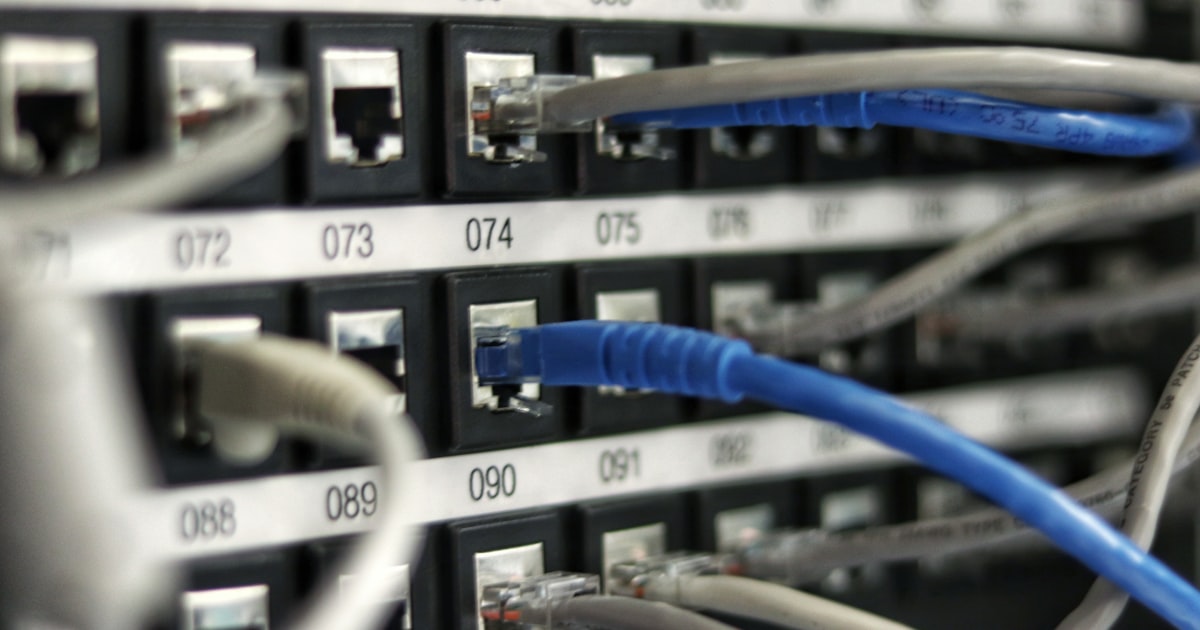
Today we stream 4K video, make video calls across continents, and download apps in seconds — without a second thought. But not long ago, getting online meant listening to a screeching modem and waiting a full minute for a single image to load. This is the story of how the world slowly wove itself into one giant network, from kilobit speeds to gigabit.
The roots: ARPANET (1969)
The internet was born from a US military-academic research project called ARPANET in 1969. The goal: connect computers at several universities so they could share data, and keep working even if part of the network was destroyed. The first message ever sent between computers was the word “LO” — the system crashed before it could finish typing “LOGIN”.
The key breakthrough was packet switching: data is broken into small packets sent separately and reassembled at the destination. That concept is still the foundation of the internet today.
A shared language: TCP/IP (1983)
At first, each network “spoke” differently. In 1983, ARPANET adopted TCP/IP — a pair of standard protocols that became the “universal language” of every computer on the network. This is the moment many consider the birth of the modern internet: separate networks could finally talk to one another.
The Web is born (1991)
The internet and the World Wide Web are often confused, but they’re different. The internet is the network; the Web is one service running on top of it. In 1991, Tim Berners-Lee created the Web — HTML, URLs, and the first browser — making the internet browsable through pages and links for ordinary people, not just scientists.
The dial-up era & the screech of the 14.4 kbps modem
This is the era many people remember. In the mid-1990s, we connected via dial-up modems over phone lines. The sound was legendary: screeches and hisses during the handshake. Speeds climbed in stages:
- 14.4 kbps (1991) — loading a text page took tens of seconds; one photo could take a minute.
- 28.8 kbps then 33.6 kbps (mid-90s).
- 56 kbps (1998) — the peak of dial-up technology.
For perspective: at 14.4 kbps, downloading an MP3 song (4 MB) could take over 40 minutes. And while online, the home phone couldn’t be used — the cause of many a family argument!
Broadband: ADSL & cable (early 2000s)
The big leap came with broadband — an “always-on” connection that no longer blocked the phone. ADSL (over phone lines) and cable internet (over cable-TV networks) brought speeds from kilobits to megabits per second (Mbps) — hundreds of times faster than dial-up. Downloading, music streaming, and high-resolution images began to feel normal.
The wireless era: Wi-Fi & mobile internet
The internet broke free of cables. Wi-Fi turned homes and cafés into wireless access points. Meanwhile on phones, cellular networks evolved rapidly:
- 2G (1990s) — SMS & very slow data.
- 3G (2000s) — browsing & email on phones became practical.
- 4G/LTE (2010s) — HD video streaming in your hand, fueling the smartphone & social-media era.
- 5G (now) — speeds up to gigabits per second with very low latency.
Fiber optics: the gigabit backbone
The backbone of today’s internet is fiber-optic cable — sending data as pulses of light, as fast as physics allows. Undersea fiber cables connect continents, and fiber-to-the-home (FTTH) now brings hundreds of Mbps to gigabit speeds right into the house. Compare: going from 14.4 kbps to 1 Gbps means speeds rose about 70,000-fold in three decades.
A quick timeline
1969 ARPANET · 1983 TCP/IP (the modern internet) · 1991 World Wide Web + 14.4 kbps modems · 1998 56 kbps dial-up · 2000s ADSL/cable broadband (Mbps) · 2010s 4G & Wi-Fi everywhere · Now fiber & 5G (Gbps).
Closing
In less than a single generation, we leapt from waiting a minute for one image to load, to a world where billions of devices connect on one network without pause. The internet transformed how we work, learn, do business, and relate — and it’s this explosion of speed that enables the cloud services, video calls, and modern apps we use every day.
Today’s internet speeds let Elang apps sync and update to the cloud seamlessly. Learn how automated updates work in understanding SSH, public keys & private keys, or see Elang products.